
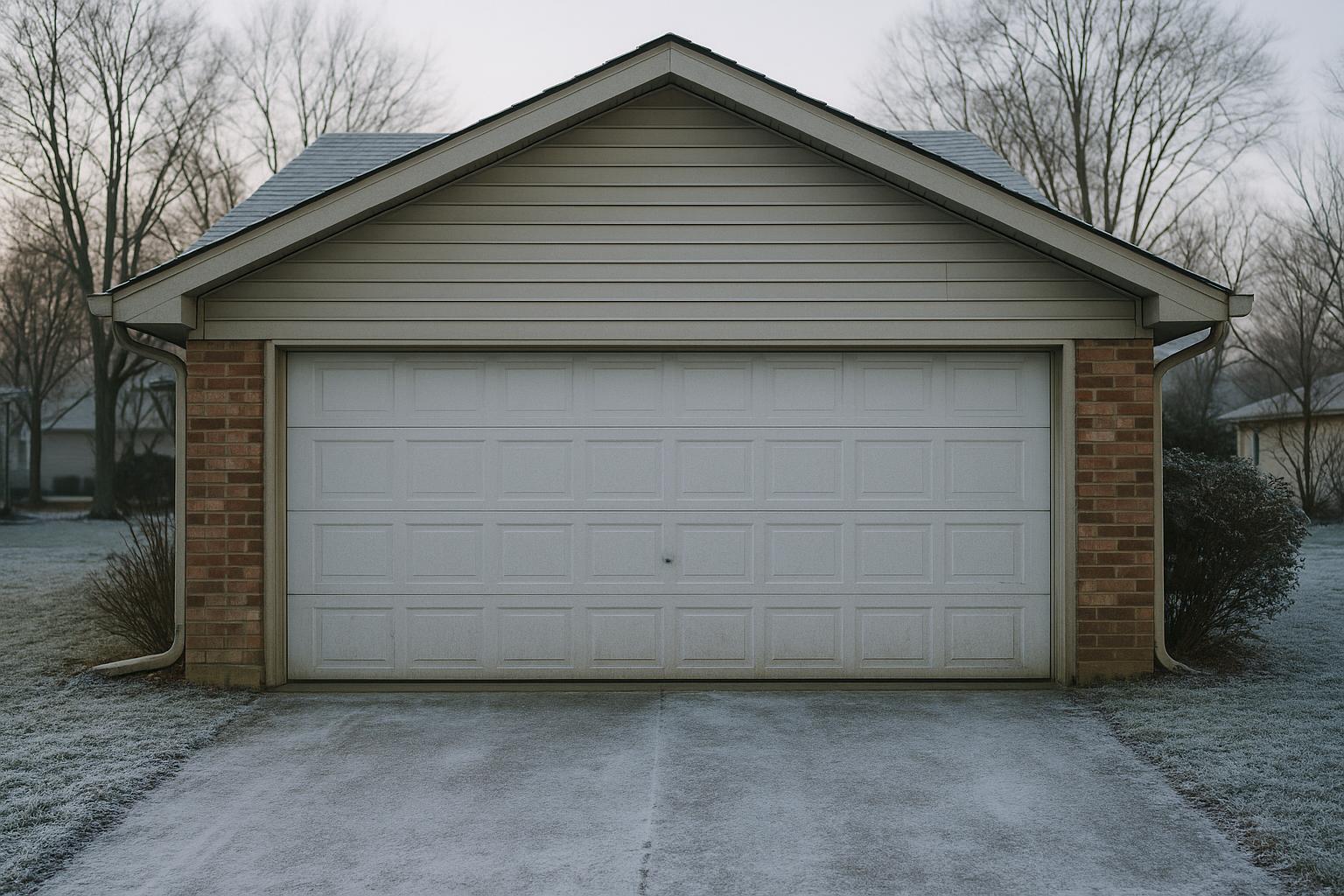
Winter Weather and Your Garage Door: A Common Struggle in Huber Heights
If you've ever walked out on a frigid Ohio morning, pressed your garage door opener, and heard the motor strain while the door refused to budge, you're not alone. Cold weather is one of the most common causes of garage door malfunctions, and here in Huber Heights, our winters deliver plenty of below-freezing days that can wreak havoc on your door's mechanical components.
The good news is that most cold-weather garage door problems are preventable — and fixable. In this guide, we'll walk you through the most common reasons your garage door won't open when temperatures drop and what you can do about each one.
1. The Weatherstripping Is Frozen to the Ground
This is the number one reason garage doors get stuck in winter. The rubber weatherstripping along the bottom of your door is designed to create a tight seal against the garage floor, keeping out drafts, rain, and pests. But when moisture collects along that seal and temperatures plummet overnight, the rubber can literally freeze to the concrete.
When your opener tries to lift the door, it's fighting against that frozen bond. In some cases, the motor will strain and give up. In others, the weatherstripping can tear away from the door entirely.
How to Fix It
- Never force the door open. You risk damaging the opener, the weatherstripping, or the door itself.
- Use a heat gun or hair dryer to gently warm the seal along the bottom of the door.
- Pour warm (not boiling) water along the base to melt the ice.
- Once freed, dry the area and apply a silicone-based lubricant to the weatherstripping to help prevent it from freezing again.
How to Prevent It
Before a cold snap, apply a thin coat of silicone spray or cooking oil to the bottom seal. This creates a barrier that makes it much harder for ice to form a bond between the rubber and the floor.
2. The Metal Components Have Contracted
Metal expands in heat and contracts in cold — that's basic physics. Your garage door system is full of metal parts: tracks, springs, hinges, rollers, and hardware. When temperatures drop significantly, these components can shrink just enough to cause binding, stiffness, or misalignment.
You might notice the door moving more slowly than usual, jerking as it travels along the tracks, or stopping partway through its cycle. In extreme cases, contracted metal can cause the door to go off-track entirely.
What You Can Do
- Lubricate all moving metal parts with a garage door-specific lubricant (avoid WD-40, which is a solvent, not a long-term lubricant).
- Inspect the tracks for any visible gaps, bends, or misalignment.
- If the door is consistently struggling, call a professional to inspect the springs and hardware for signs of stress.
3. The Garage Door Springs Have Lost Tension
Cold weather accelerates wear on garage door springs. Springs that are already nearing the end of their lifespan may lose enough tension in freezing temperatures that they can no longer counterbalance the weight of the door. When this happens, your opener motor has to work much harder — and it may not be strong enough to lift the door at all.
If your door feels unusually heavy when you try to lift it manually, or if it opens a few inches and then stops, weakened springs are a likely culprit.
Important Safety Note
Garage door springs are under extreme tension and can cause serious injury if they snap or are handled improperly. Spring inspection and replacement should always be performed by a trained technician. If you suspect your springs are failing, don't attempt a DIY repair — call a professional right away.
4. The Opener's Grease Has Thickened
Many garage door openers use grease or lubricant on their internal gears and drive mechanisms. In very cold temperatures, this grease can thicken to the point where the motor struggles to turn the drive chain or screw. You might hear the motor running but notice the door barely moving, or moving much more slowly than normal.
How to Address It
- If your garage is unheated, consider using a low-temperature lubricant rated for cold conditions.
- A small space heater in the garage can raise the ambient temperature enough to keep the opener functioning normally during extreme cold snaps.
- If the problem persists, have a technician inspect the opener to ensure the motor isn't being damaged by the added strain.
5. The Safety Sensors Are Misaligned or Obstructed
Your garage door has two photo-eye sensors near the base of the tracks on either side of the door. These sensors send an invisible beam across the opening, and if anything breaks that beam, the door won't close — or it will reverse immediately after starting to close.
In winter, ice, snow, dirt, or condensation can accumulate on the sensor lenses or shift the brackets just enough to break alignment. If your door opens but refuses to close, or if the opener light blinks repeatedly, the sensors are a likely cause.
Quick Fixes
- Wipe the sensor lenses clean with a soft, dry cloth.
- Check that both sensors are aligned and their indicator lights are steady (not blinking).
- Clear any snow, ice, or debris from around the sensors.
- Make sure the sensor wires haven't been damaged by ice or rodents seeking warmth.
6. Dead or Weak Remote Batteries
This one is easy to overlook, but cold weather drains batteries faster. If your wall-mounted button works fine but your remote or car-mounted opener doesn't respond, try replacing the batteries before assuming something more serious is wrong.
Preparing Your Garage Door for Huber Heights Winters
The best way to avoid cold-weather garage door emergencies is with preventive maintenance before winter arrives. A professional tune-up in late fall can catch worn springs, dry hardware, aging weatherstripping, and other issues before the first freeze turns them into real problems.
Here's a simple winter prep checklist:
- Lubricate all springs, hinges, rollers, and tracks with a cold-rated garage door lubricant.
- Inspect and replace worn or cracked weatherstripping.
- Test the balance of the door by disconnecting the opener and lifting manually — the door should stay in place when opened halfway.
- Clean and align the safety sensors.
- Tighten all visible hardware and brackets.
- Test the auto-reverse function to ensure it's working properly.
When to Call a Professional
Some cold-weather garage door problems are simple enough to handle on your own. But if your door won't open at all, the springs appear damaged, or the opener motor is making unusual sounds, it's time to call in an expert. Forcing a malfunctioning door can lead to much more expensive repairs — or a safety hazard for your family.
At Huber Heights Garage Door, we help homeowners across Huber Heights, Dayton, Vandalia, and the surrounding communities keep their garage doors running smoothly all year long. Whether you need an emergency repair on a frozen morning or want to schedule a preventive maintenance visit before winter hits, we're here to help.
Give us a call today to schedule your winter garage door inspection and make sure you're never stuck outside in the cold.