
That Noise Isn't Normal — And You Shouldn't Ignore It
You press the button on your garage door opener, and instead of the smooth, quiet operation you're used to, you hear grinding, squealing, popping, or rattling. If this sounds familiar, you're not alone. Noisy garage doors are one of the most common complaints we hear from homeowners in Huber Heights, and while it might be tempting to just turn up the car radio and ignore it, those sounds are usually your garage door telling you something is wrong.
The good news is that most garage door noises have identifiable causes, and many of them are fixable before they turn into expensive repairs or a complete door failure. Let's walk through the most common culprits and what you can do about each one.
Common Causes of a Noisy Garage Door
1. Worn or Dry Rollers
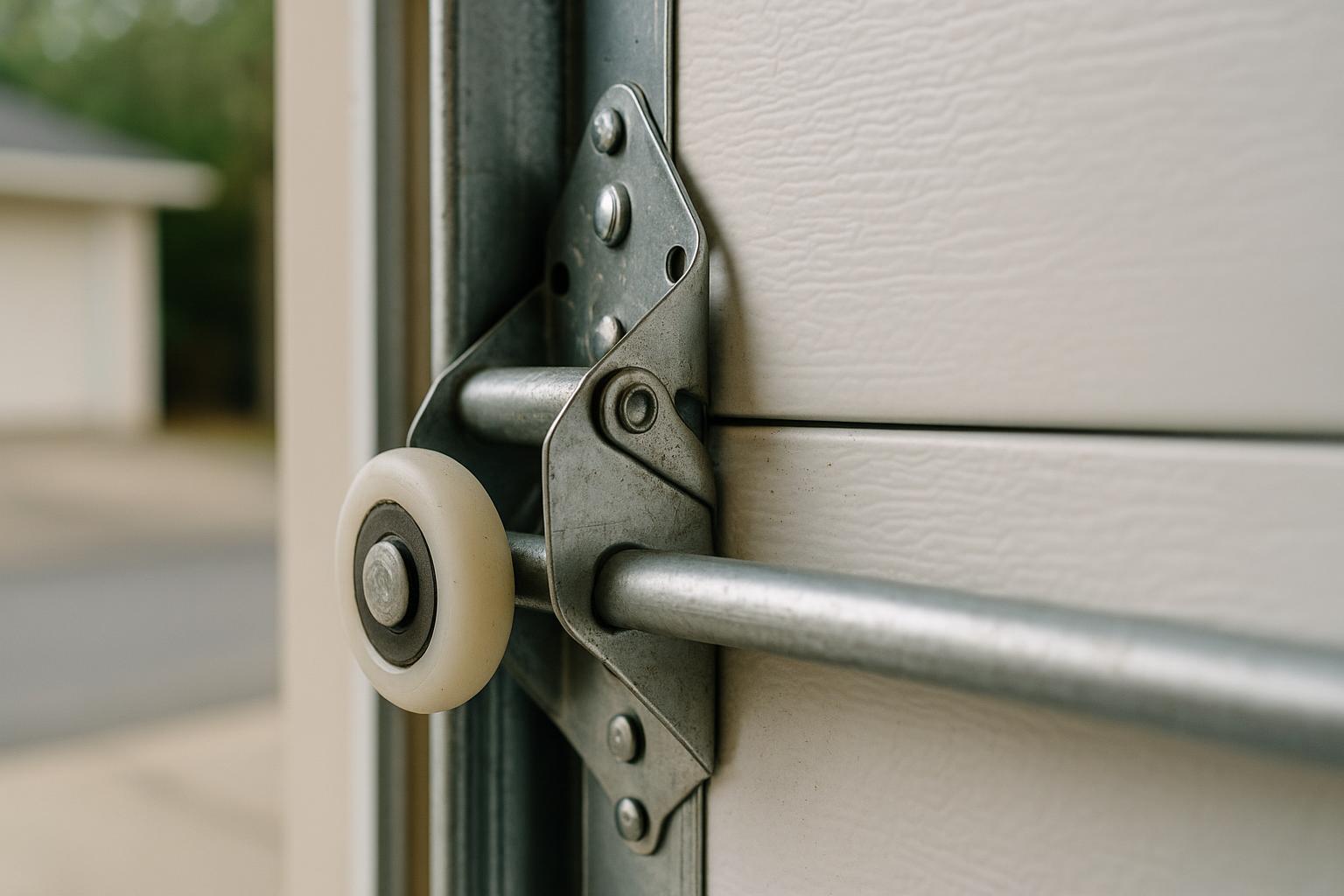
Garage door rollers guide the door along its tracks as it opens and closes. Over time, these rollers wear down, develop flat spots, or lose their lubrication. When that happens, you'll typically hear a grinding or squealing sound every time the door moves.
Steel rollers are especially prone to becoming noisy as they age. If your home in Huber Heights still has the original steel rollers that came with the door, they may be long overdue for replacement. Nylon rollers are a popular upgrade because they operate much more quietly and don't require as much maintenance.
2. Lack of Lubrication
Your garage door has a lot of moving metal parts — hinges, rollers, tracks, springs, and the opener chain or screw drive. When these components aren't properly lubricated, metal grinds against metal, creating that cringe-worthy noise you're hearing.
This is one of the simplest fixes on the list. A garage door-specific silicone or lithium-based lubricant applied to the right parts can make a dramatic difference. However, it's important to know where to apply it and what not to lubricate. For example, you should never grease the tracks themselves — this can actually cause the door to slip and malfunction.
3. Loose Hardware
Every time your garage door cycles up and down, vibrations run through the entire system. Over months and years, those vibrations can loosen nuts, bolts, hinges, and brackets. Loose hardware is a common source of rattling and banging sounds, and it's something that tends to get worse over time if left unaddressed.
A simple visual inspection and tightening of the hardware can often eliminate the noise. Just be careful around the bottom brackets connected to the cables — these are under extreme tension and should only be handled by a trained technician.
4. Misaligned or Damaged Tracks
The metal tracks on either side of your garage door need to be properly aligned for the door to travel smoothly. If a track gets bumped, bent, or shifts out of alignment, the rollers will scrape and grind as they try to move through the damaged section.
You can sometimes spot track problems by looking for gaps between the rollers and the track, or by noticing that the door hesitates or jerks at certain points during its travel. Track issues should be corrected promptly because a door that jumps off its tracks can be a serious safety hazard.
5. Worn or Unbalanced Springs
Garage door springs bear the full weight of the door, and when they start to wear out, you may hear popping, creaking, or snapping sounds. An unbalanced door — one where the springs aren't evenly supporting the weight — can also cause straining noises from the opener as it works harder than it should.
If you suspect your springs are the source of the noise, do not attempt to adjust or replace them yourself. Garage door springs are under tremendous tension and can cause serious injury. This is always a job for a professional.
6. Opener Problems
Sometimes the noise isn't coming from the door itself but from the garage door opener. Chain-drive openers are naturally louder than belt-drive models, but if your chain-drive opener has gotten significantly louder over time, the chain may be loose or the motor gears could be wearing out.
Stripped gears inside the opener are a common issue, especially in units that are 10 or more years old. You'll usually hear a loud grinding sound when the opener runs, but the door barely moves or doesn't move at all.
Quick Troubleshooting Steps You Can Try
Before calling a professional, here are a few safe steps Huber Heights homeowners can take to diagnose or reduce garage door noise:
- Listen carefully to identify where the noise is coming from — the tracks, the springs, the opener, or the hinges.
- Apply a garage door lubricant to the rollers, hinges, spring coils, and the opener rail. Avoid using WD-40, which isn't a long-term lubricant.
- Visually inspect the tracks for dents, debris, or obvious misalignment.
- Check for loose bolts and screws on the door panels and mounting brackets, and tighten any that you can safely reach.
- Disconnect the opener using the emergency release cord and manually lift the door. If it's hard to lift or doesn't stay open at the halfway point, the springs may be failing or the door is unbalanced.
When to Call a Professional
Some garage door noises point to simple maintenance needs, but others indicate problems that require professional tools, parts, and expertise. You should call a garage door technician if:
- The noise is accompanied by the door shaking, jerking, or moving unevenly.
- You notice frayed cables, cracked rollers, or visibly damaged springs.
- The opener motor runs but the door doesn't move.
- The door feels significantly heavier than usual when lifted manually.
- You've lubricated and tightened everything but the noise persists.
Ignoring these warning signs can lead to a complete door failure — and that usually happens at the worst possible time, like when you're heading to work on a cold Dayton-area morning.
Preventative Maintenance Makes a Difference
The best way to avoid unexpected garage door noises — and the costly repairs that can follow — is regular preventative maintenance. A professional tune-up typically includes lubrication of all moving parts, hardware tightening, track alignment checks, spring and cable inspection, opener testing, and safety sensor verification.
We recommend scheduling a maintenance visit at least once a year, ideally in the spring or fall. For homeowners in Huber Heights and the surrounding communities like Vandalia, Tipp City, and Englewood, seasonal temperature swings put extra stress on garage door components, making routine checkups even more important.
Don't Let a Small Noise Become a Big Problem
A noisy garage door is more than just an annoyance — it's an early warning system. Those grinding, squealing, and rattling sounds are telling you that something needs attention. Addressing the issue early almost always saves money compared to waiting for a full breakdown.
If your garage door has been getting louder and you're not sure what's causing it, Huber Heights Garage Door can help. We'll diagnose the problem, explain your options, and get your door running smoothly and quietly again. Give us a call to schedule an inspection — your ears and your wallet will thank you.